
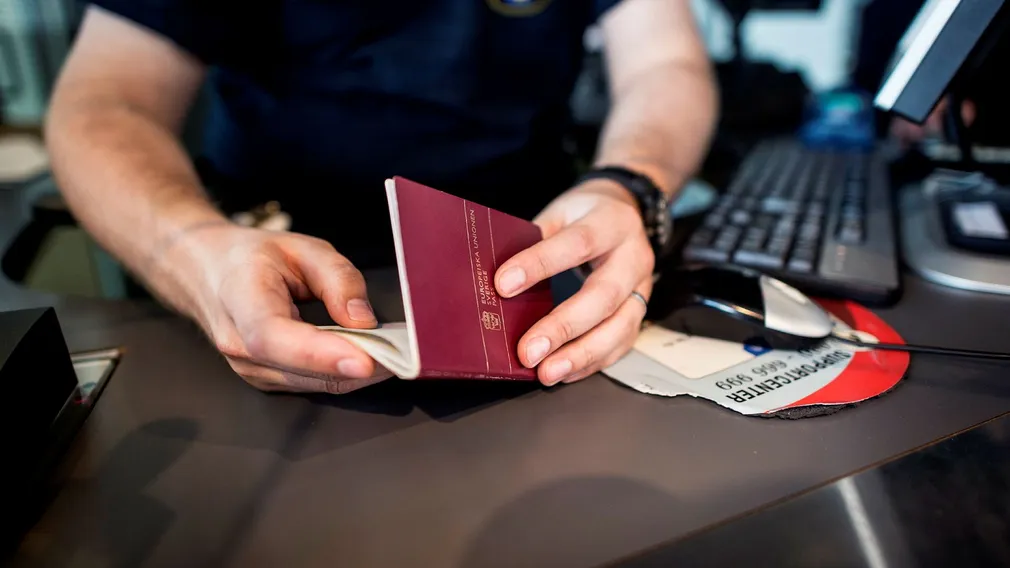
Swedish Citizenship and Identity Requirements
For many who already live, study, and work in Sweden, applying for citizenship is the final step toward full civic participation. However, while permanent residency may seem to place applicants close to citizenship, the process is not straightforward for everyone. One of the most decisive factors is the identity requirement enforced by the Swedish Migration Agency (Migrationsverket).
This article explains how the identity requirement works, why it affects applicants from certain countries more than others, and what this means for long-term residents seeking Swedish citizenship.
The Identity Requirement for Citizenship
To be granted Swedish citizenship, an applicant must make their identity probable. In practice, this usually means presenting a:
- Valid passport
- National ID card
- Other official documents issued by a recognized government authority
However, the Migration Agency does not consider all countries’ identity documents equally reliable. Passports and IDs from some states are deemed unverifiable due to weak administrative structures or lack of document security standards.
Why Applicants from Somalia and Afghanistan Are Affected
Current Migrationsverket practice generally does not accept passports or ID documents from:
- Somalia
- Afghanistan
Because these documents are not recognized, applicants from these countries cannot meet the identity requirement in a standard way. Even if they have lived in Sweden for many years and fulfilled all residency, language, and conduct requirements, their citizenship applications are often denied on the basis of identity alone.
This is not a question of integration, employment, or cultural adaptation. It is a procedural barrier tied solely to documentation.
The Result: Permanent Residents Without a Path to Citizenship
Many long-term residents in Sweden—working, studying, raising families, and paying taxes—find themselves effectively locked out of citizenship. They live in Sweden, but cannot become full members of society due to documentation rules that they cannot influence.
The practical consequences include:
- No right to vote in national elections
- Limitations in international travel
- Continued administrative dependency on residence permits
For many, citizenship remains theoretically possible but practically unreachable.
Long Processing Times Increase Uncertainty
Alongside identity issues, processing times for citizenship applications have been lengthy. The Migration Agency has handled cases submitted several years ago. For applicants already facing documentation barriers, these delays add further instability.
Policy Debate on Permanent Residence
Political discussions in recent years have included proposals to replace permanent residence permits with temporary ones. If such changes are implemented, individuals who already cannot secure citizenship would then need to repeatedly reapply for continued legal residence.
This would mean:
- Recurring evaluations of residence status
- Increased personal and economic insecurity
- Higher administrative costs for the state
Government analysis has projected significant financial cost if such a system were introduced.
What Applicants Can Do
While barriers exist, certain pathways may still help applicants strengthen their cases:
| Strategy | Explanation |
|---|---|
| Family Chain Identification | If a close relative in Sweden has verified identity, your identity may be linked through them. |
| Document Every Year in Sweden | Maintain clear proof of residence, employment, and community ties. |
| Legal Guidance | Professional support can identify available exceptions or evidentiary alternatives. |
These solutions are not universal, but they are currently the only viable mechanisms for applicants facing identity-related obstacles.
Conclusion
Swedish citizenship is more than a status. It is a foundation for stability, long-term security, and equal civic participation. Yet for many permanent residents, especially from Somalia and Afghanistan, citizenship remains inaccessible due to how identity requirements are applied.
Understanding the legal framework is essential to navigating these challenges. For those affected, the issue is not a lack of integration—it is a system of documentation rules that determines who can become Swedish.
Continue reading

How to demand a decision from Migrationsverket
Once you file a request for determination, the Migration Agency has four weeks to act. Learn what they must do and how you can appeal if they refuse.

How to Speed Up Your Citizenship Application
If your Swedish citizenship application has been pending for more than six months, you can file a request for determination under Section 12 of the Administrative Procedure Act.

How to file a complaint to Migrationsverket
If the Migration Agency ignores both your request and the four-week deadline, you can turn to Sweden’s oversight bodies: the Parliamentary Ombudsman (JO) and the Chancellor of Justice (JK).