For Swedes, fika is more than coffee. It is a cultural ritual of pausing and connecting, similar to how everyday life is depicted in Swedish TV shows. If you want to understand how Swedes see themselves today—family, identity, politics, or the pressures of city life—then modern Swedish productions are essential. Below are the standout shows and films from the last decade that do more than entertain. They reveal how Swedes wrestle with love, justice, belonging, and modern challenges. Together, they form a cultural map for anyone curious about life in Sweden as it is lived now.
Bonusfamiljen (2017–2021)
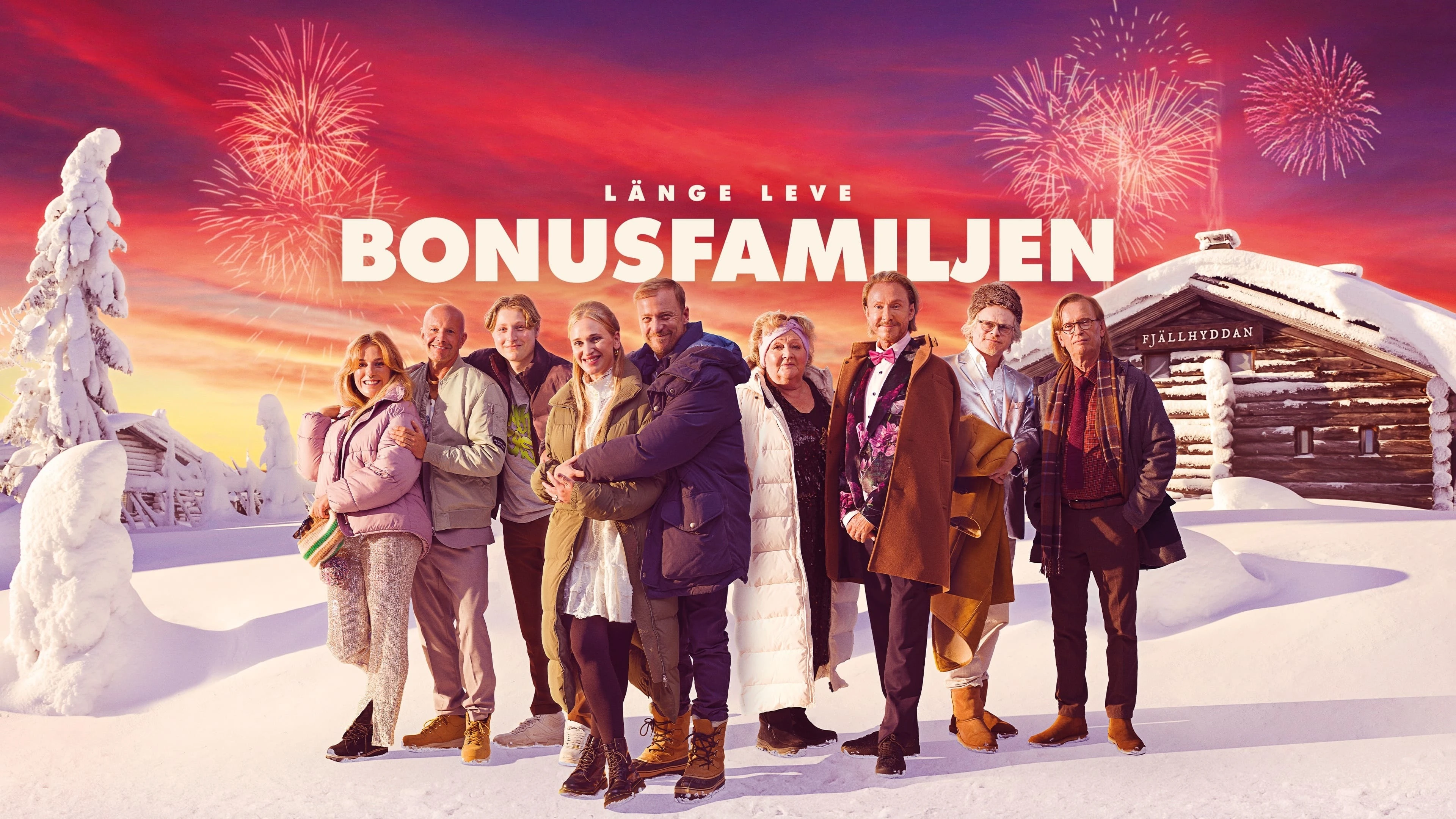
Blended families are increasingly common in Sweden, and Bonusfamiljen puts this reality at the center. The series follows Lisa and Patrik, a couple trying to merge their households after leaving previous relationships. What begins as a well-meaning attempt at building a stable home soon becomes a maze of competing loyalties, jealousies, and practical challenges.
The humor lies in everyday moments: a teenager refusing to accept a step-parent’s authority, ex-partners hovering at the edges of new relationships, and the Swedish tendency to confront conflict through awkward honesty. The show balances comedy with serious reflection, portraying family therapy sessions and emotional breakdowns that feel raw rather than scripted. For outsiders, Bonusfamiljen is a crash course in Swedish openness about therapy, divorce, and co-parenting. It normalizes imperfection while showing the resilience needed to form modern families.
A Nearly Normal Family (2023)
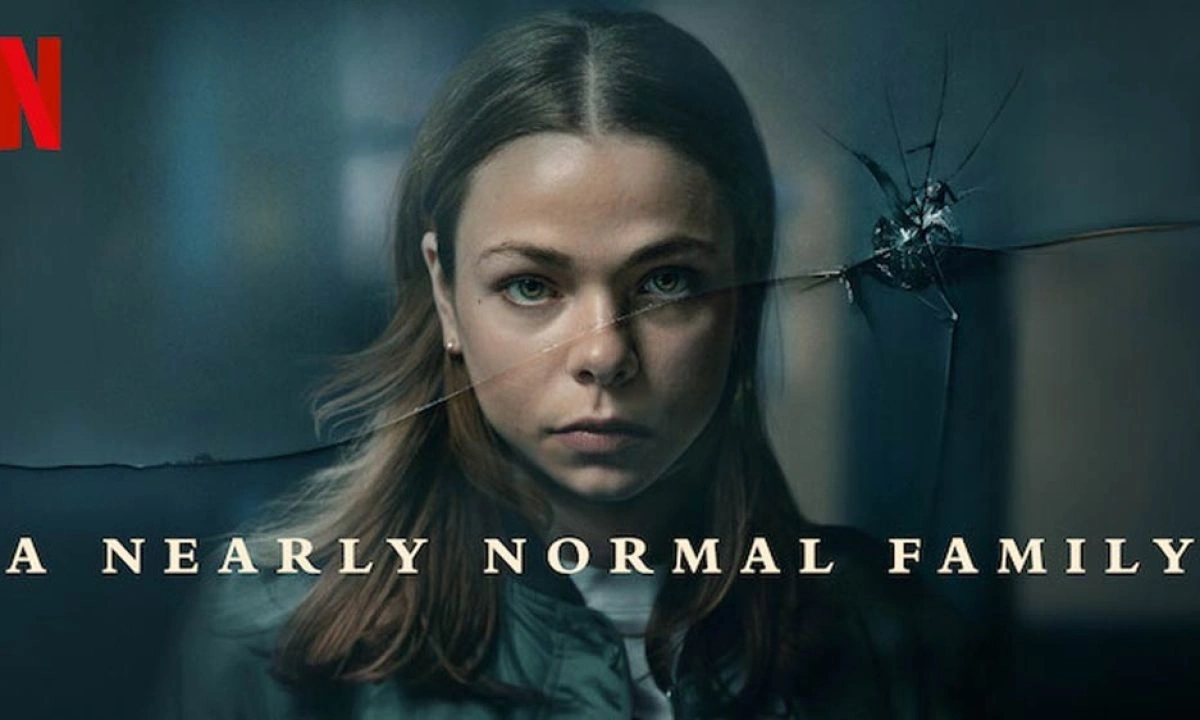
Based on Mattias Edvardsson’s bestselling novel, this miniseries takes viewers into the respectable suburbs of Lund. On the surface, the Sandell family looks like a model of middle-class stability: a pastor father, a lawyer mother, and a teenage daughter. But when the daughter is accused of murder, the family is forced into impossible choices.
The show explores Swedish morality not in theory but in practice. What do “honesty” and “justice” mean when your child’s future is at stake? Through tense court scenes and quiet kitchen conversations, it reveals how far Swedes will go to preserve family reputation, how much weight is placed on appearances, and how community judgment shapes behavior. This is not only a crime drama but also a reflection of Sweden’s social fabric, where law and morality often intersect in subtle ways.
Tunna blå linjen (Thin Blue Line, 2021–2022)
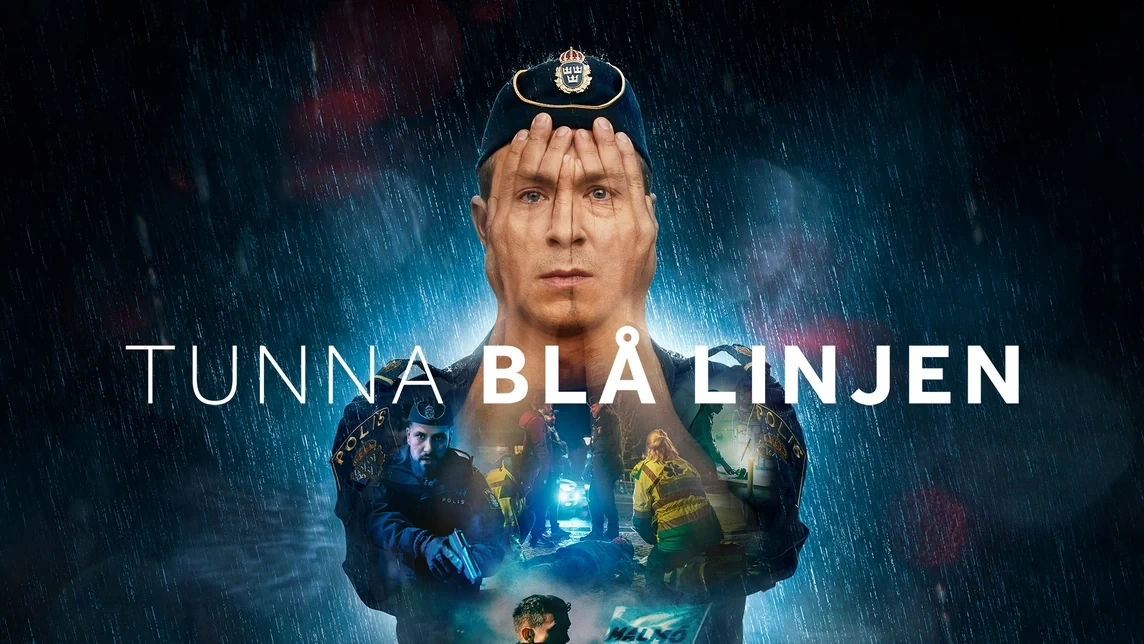
Set in Malmö, Sweden’s most diverse city, Tunna blå linjen avoids the glamor of typical police dramas. Instead, it focuses on beat cops who balance paperwork, social services, and tense encounters with citizens. Officers are depicted not as heroes but as ordinary employees under constant stress—expected to uphold law, calm disputes, and mediate between institutions.
The series excels at showing how Swedish welfare and policing overlap. Officers deal with domestic disputes, mental health crises, and integration challenges in immigrant-heavy neighborhoods. Their personal lives often collapse under pressure, showing the toll of trying to be the state’s face in a divided society. For those unfamiliar with Sweden, Thin Blue Line is a rare insight into everyday social tensions, from gentrification to trust in public services.
Kalifat (2020)
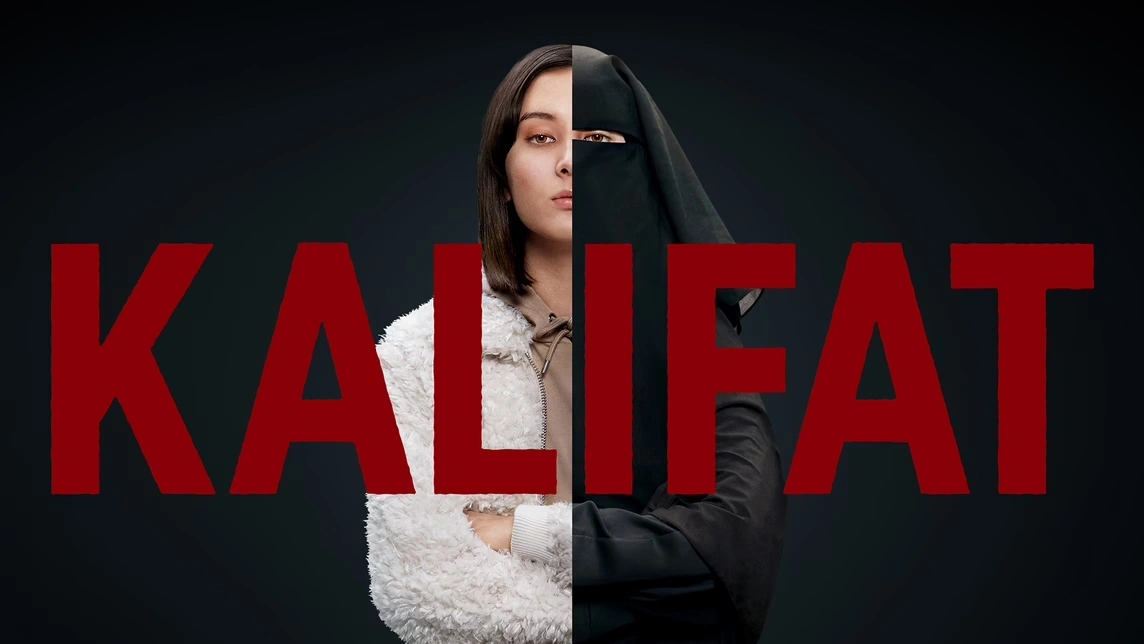
Kalifat pushes Swedish drama into global territory. It intertwines the stories of young women recruited by ISIS, intelligence agents racing to stop attacks, and families caught in between. Much of the drama unfolds in the Stockholm suburbs, where radicalization preys on isolation, identity crises, and fractured trust between communities.
The show is notable for how it addresses taboo subjects head-on. It portrays extremism not as something foreign but as something that can grow inside Swedish society. Teachers, parents, and neighbors all become part of the narrative, showing the difficulty of prevention and the human cost when prevention fails. The series was controversial in Sweden, praised for realism yet criticized for its stark portrayal of Muslim communities. Regardless, it remains a key cultural marker, showing how global conflicts ripple into Swedish neighborhoods.
Young Royals (2021–2024)
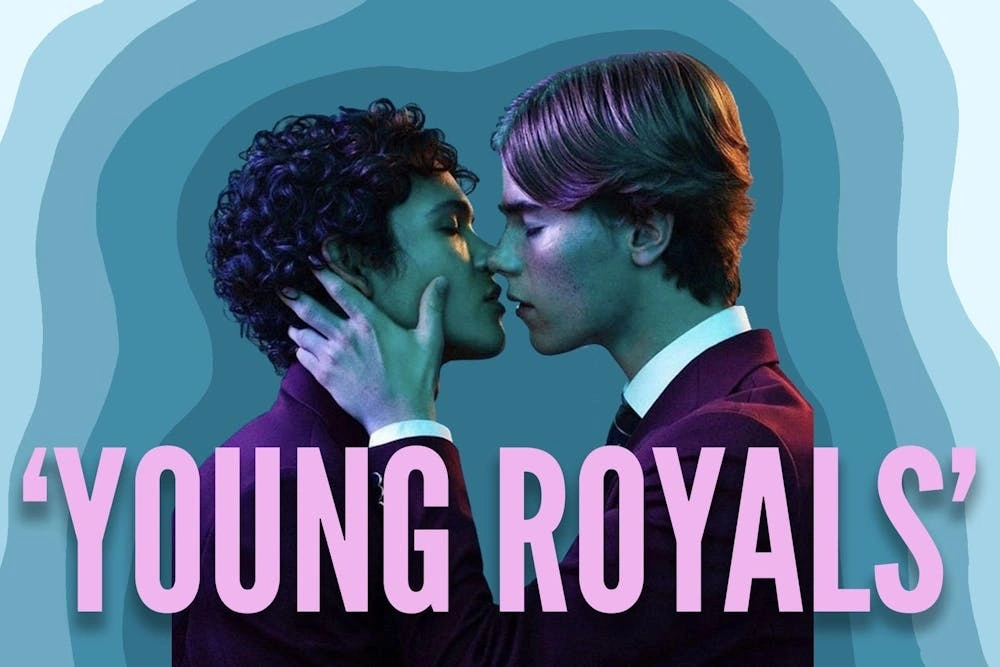
A global Netflix hit, Young Royals combines the intimacy of a teen romance with the burden of royal duty. Prince Wilhelm, second in line to the throne, is sent to Hillerska, an elite boarding school. There he falls for Simon, a working-class student with immigrant roots. Their love story unfolds in tension with monarchy, media, and tradition.
The show captures Sweden’s fascination with equality versus hierarchy. On one hand, Swedes value social democracy and downplay status; on the other, the monarchy remains a beloved institution. Through Wilhelm and Simon’s romance, the show debates whether private happiness can coexist with public duty. For non-Swedish viewers, it also provides a window into youth culture: how Swedes party, use social media, and negotiate identity in a society that prides itself on progressivism yet still clings to certain traditions.
Snabba Cash (2021–2022)
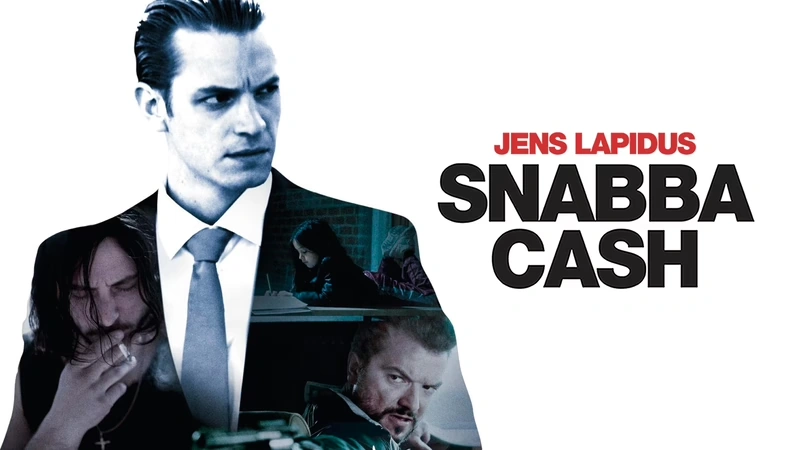
Crime and ambition collide in Stockholm’s underworld. A continuation of the hit film trilogy, the Netflix reboot introduces new characters hustling for success in tech startups, drug markets, and finance. The tone is gritty, and the show spares no detail in portraying how violence and money intertwine.
Snabba Cash captures Sweden’s widening inequality. The glossy world of venture capital exists just a few blocks from gang-run neighborhoods. Characters move between these spaces with ease, showing how ambition drives people to cross moral boundaries. For an international audience, it offers a sharp counterpoint to the stereotype of Sweden as uniformly wealthy and peaceful. The series makes it clear: behind Stockholm’s glass towers lies a different reality.
Clark (2022)
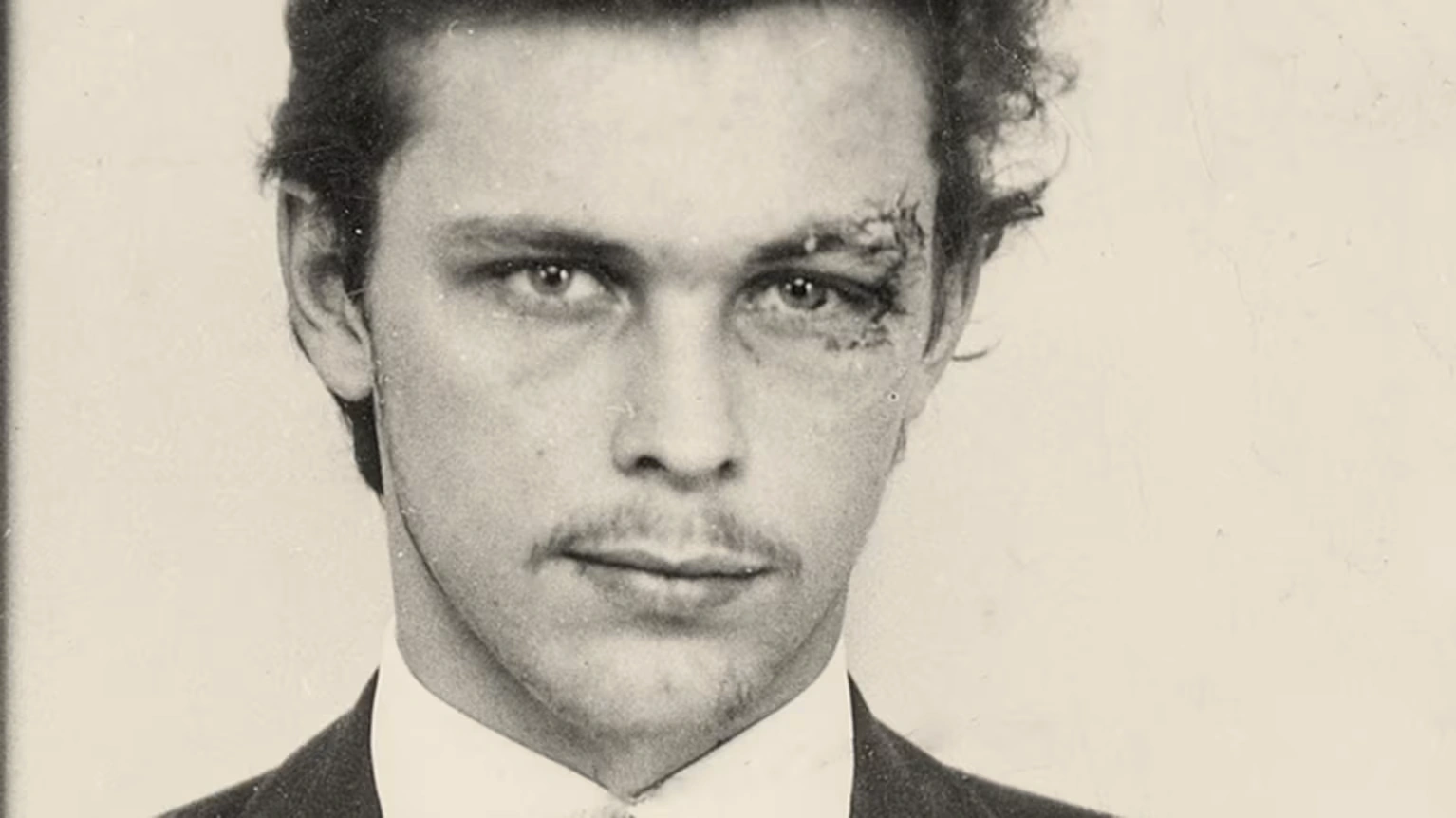
Clark Olofsson is one of Sweden’s most infamous criminals, linked to the origin of “Stockholm Syndrome.” This Netflix biopic, directed by Jonas Åkerlund, transforms his chaotic life into a psychedelic trip through decades of crime, media obsession, and counterculture.
The series is less about crime than about charisma. Clark is shown manipulating everyone—banks, women, police, and journalists—while becoming a pop-culture figure. The show highlights Sweden’s complicated relationship with rebellion: Olofsson is both condemned and admired. By stylizing his story with surreal visuals, it underscores how Sweden’s criminal past is often mythologized. For those studying Swedish culture, Clark reveals how even crime can become part of the national narrative.
Partisan (2020–2022)
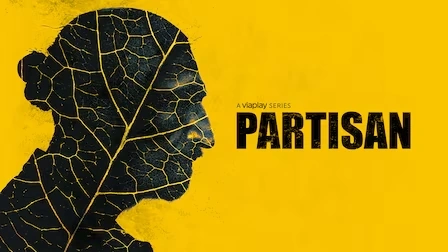
At first glance, Partisan looks like a rural idyll. A gated farming community produces organic food, children play outdoors, and everyone smiles. But beneath the surface lies manipulation, abuse, and cult-like control. The series turns Swedish pastoral imagery into a stage for horror.
Thematically, it questions the trust Swedes place in collective projects and rural innocence. In Sweden, the countryside is often idealized as pure, healthy, and authentic compared to urban stress. Partisan dismantles that fantasy, showing how isolation can foster exploitation. The series also reflects on control—both physical and psychological—and how easily people surrender autonomy when wrapped in community ideals.
Älska mig (Love Me, 2019–2020)

Created by Josephine Bornebusch, Älska mig follows three generations of Stockholmers navigating love, grief, and companionship. It moves from awkward Tinder dates to late-life romance, showing that longing for connection never fades.
What stands out is the Swedish approach to relationships: emotional honesty, respect for independence, and an acceptance that life rarely follows neat plans. The series balances humor and heartbreak, using everyday conversations in kitchens, parks, and offices to portray how Swedes actually live and love. It emphasizes family bonds but also the freedom to choose unconventional paths, reflecting the country’s emphasis on both individuality and care.
Why These Shows Matter
Together, these series form more than a watchlist. They are case studies in Swedish life:
- Family and Relationships: Bonusfamiljen and Älska mig show intimacy, therapy, and generational differences.
- Justice and Morality: A Nearly Normal Family and Tunna blå linjen expose how law and ethics play out daily.
- Global Pressures: Kalifat and Snabba Cash reveal Sweden’s entanglement with international crime and extremism.
- Identity and Tradition: Young Royals and Clark highlight clashes between old institutions and modern individualism.
- Place and Belonging: Partisan questions idyllic spaces, while Malmö’s streets in Tunna blå linjen reflect urban diversity.
Watching these shows is not only entertaining but also educational. They strip away stereotypes of Sweden as simply safe, equal, or efficient, showing instead a society negotiating complexity.
Conclusion
To understand Sweden in the 2020s, skip the tourist brochures and turn on the screen. Modern Swedish TV and film open windows into homes, streets, schools, and workplaces. They show how people love, argue, compromise, and confront the world’s challenges. If you’re preparing for Swedish citizenship—or just want to grasp what life feels like behind the headlines—these shows are essential. Each offers a piece of the puzzle, and together, they create a portrait of a society as conflicted, vibrant, and human as any other.
Continue reading
Here You Can Stream Pippi Longstocking for Free (Legally)
Watch the classic Swedish Pippi Longstocking series anywhere in the world.
Understanding Sweden’s Social System
Sweden is known for its strong welfare model, built on high taxes that fund healthcare, education, childcare, and social security. For residents, this means access to publicly funded services that reduce inequality and create stability.
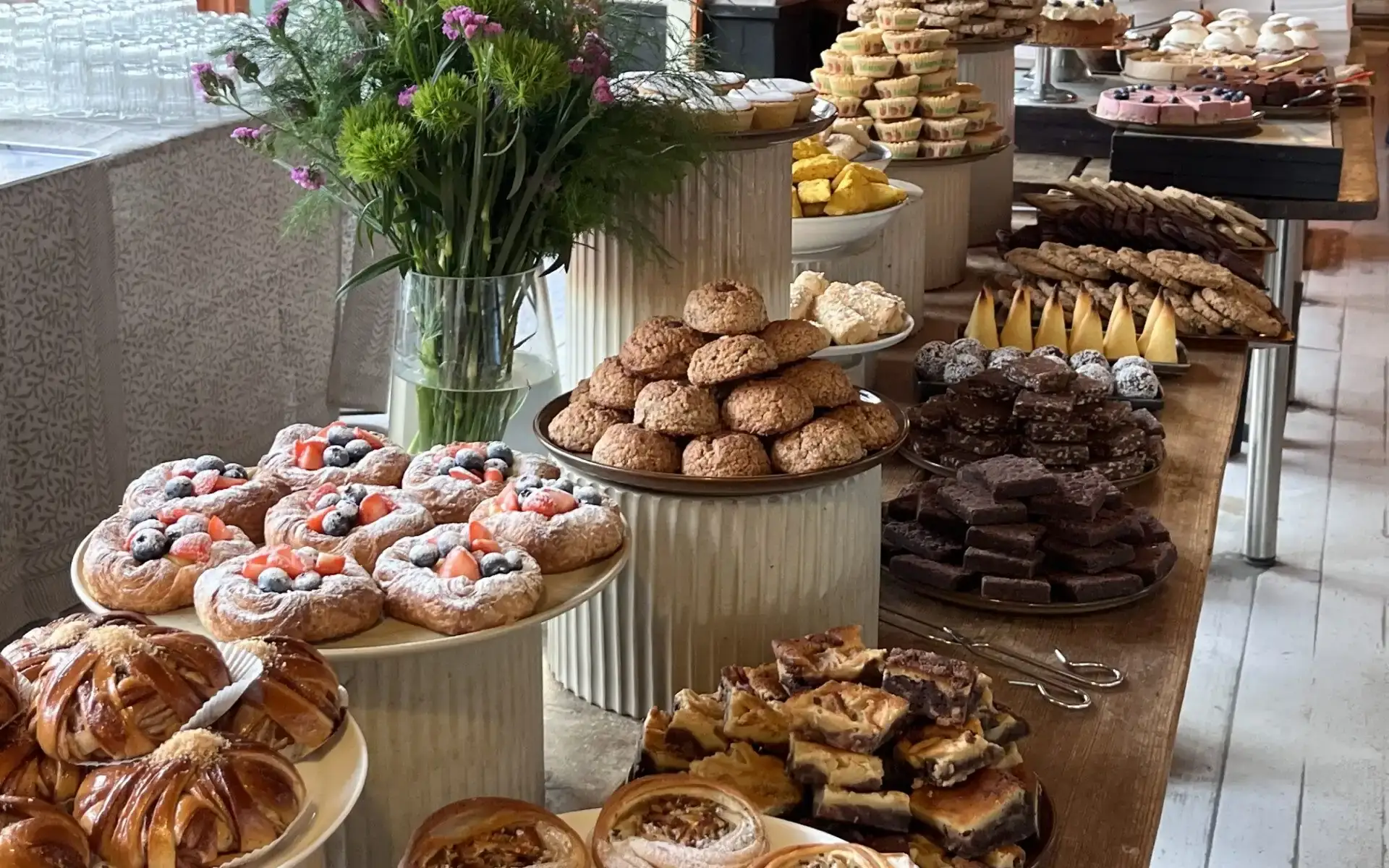
10 Things You’ll Only Understand If You’ve Tried Swedish Fika
Fika is more than coffee. It is a Swedish cultural ritual of pausing, connecting, and enjoying something sweet together.